The Paisa Boys Playbook: A Streetwear Blueprint for Concacaf Nations to tap into a new generation
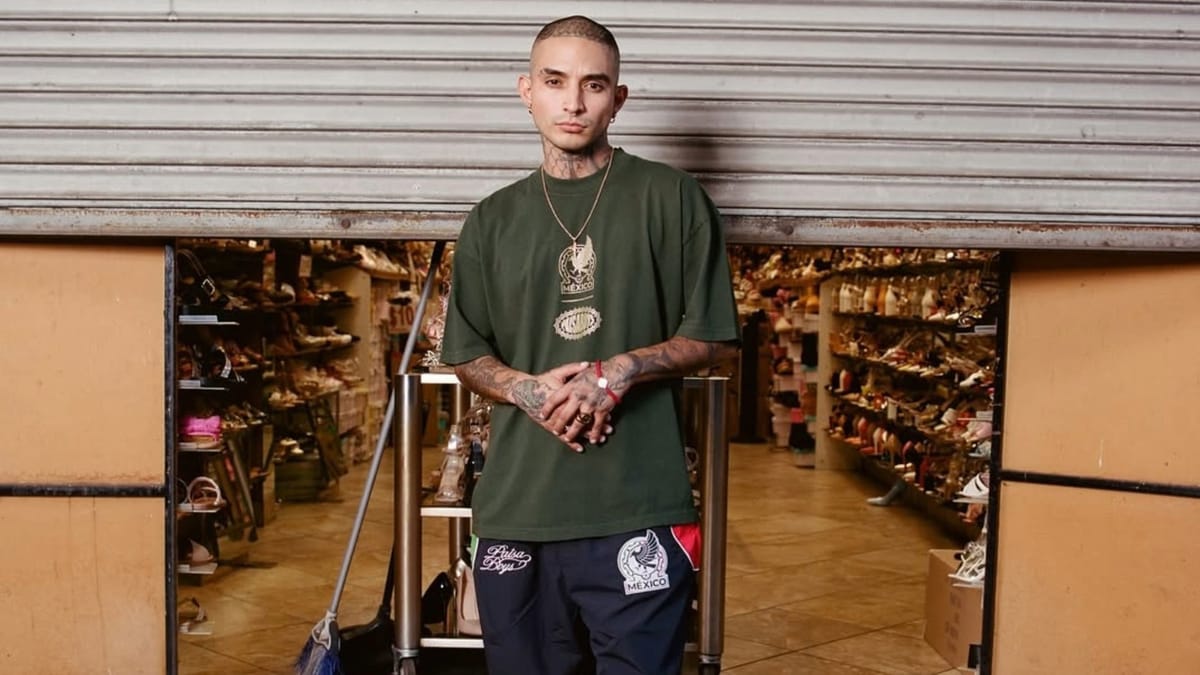
Mexico’s national team just did something smart: it handed the keys to the culture to Paisa Boys and let them drive. The L.A. label’s new collaboration with the federation looks and feels like the community it represents: bold, local, and proudly Mexa. This is what happens when a federation trusts authentic storytellers to connect the next generation through style, not slogans.
Paisa Boys didn’t appear out of thin air. The brand was built by cofounders Javi Bandera and Joey Barba, two Angelenos who turned the word “paisa” long used as a slur for immigrants, into a banner of pride for the Mexican diaspora. Their work mixes humor, nostalgia, and everyday iconography from L.A. and Mexico, and it has resonated because it’s real.
The Mexico link-up leans into that DNA. The collection is a love letter to fans on both sides of the border: a heavyweight varsity jacket, a 90s-leaning tracksuit, and the standout “Verde Eterno” jersey—an all-green statement piece marked by a flaming scorpion. The Selección crest sits across the range, framed by El Tri’s colors, with hoodies, tees, crewnecks, and accessories rounding out the drop. This isn’t costume cosplay; it’s culture, stitched.
This collaboration also rewards a brand that has invested in football—long before federations came calling. Paisa Boys cemented its lane through two thoughtful capsules with LAFC that centered L.A.’s Mexican roots, complete with details like piteado leather belts and Tilma tapestry blankets. That work earned trust—and a bigger stage.
Even the rollout kept it close to home. Early-access posts hit the Paisa Boys community first, signaling that this moment belonged to the fans who built the brand. It’s a subtle point, but an important one: the federation didn’t try to sand off the edges; it amplified them.
Why This Matters for CONCACAF Nations
If you want young fans to care, show them themselves. Federations across the region can learn from Mexico’s play: partner with credible creatives from the diaspora, give them room to work in their own voice, and build products that live on the street first and the stadium second. That’s how you turn casual interest into community.
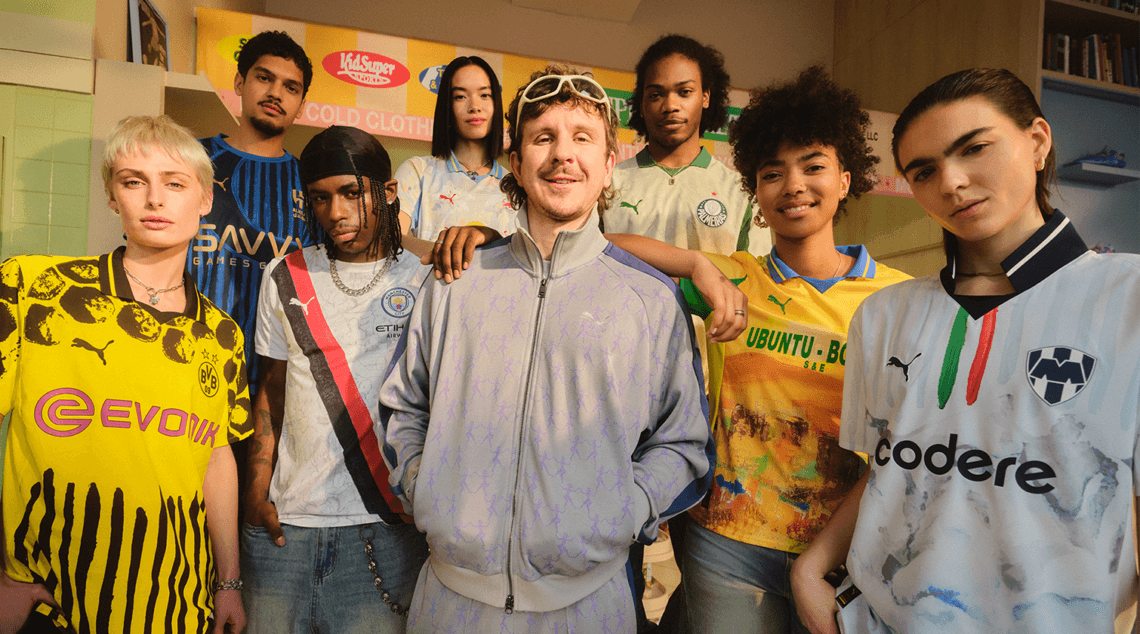
We’ve seen versions of this blueprint elsewhere. OVO has real football receipts (Toronto FC capsule; a new Chelsea link-up), proving a music-led label can translate club identity for a new audience. Kith’s expanding adidas Football program shows how a fashion powerhouse can deliver performance and lifestyle in one breath. KidSuper’s Club World Cup work with PUMA demonstrates how art-driven storytelling can carry a global football stage. These aren’t just cool drops—they’re bridges.
A Wish List For The Region
Here’s how other federations could run the same play, with partners whose heritage actually maps to the badge:
- Canada × OVO Drake’s house brand has the platform, the design chops, and a proven football track record (TFC and Chelsea). A Canada Soccer capsule would write itself and sell itself.
- USA × Kith or KidSuper Kith already moves seamlessly between pitch and street in its adidas projects, while KidSuper’s football art energy is tailor-made for a national team canvas. Either would bring a modern, youth-forward look to USMNT/USWNT.
- Suriname × Patta Patta’s founders have Surinamese roots and a long football résumé. A Suriname federation collab would be deeply authentic, powerfully diasporic and global.
- Guatemala × 424 424’s Guillermo Andrade, born in Guatemala and now a force in L.A. streetwear, could bring an elegant, subcultural lens to La Bicolor.
- Honduras × Kids of Immigrants Daniel Buezo’s Honduran heritage drives KOI’s “community-first” ethos. A federation tie-in would feel organic and mission-aligned.
- Jamaica × Cooyah or Wales Bonner Cooyah is a reggae staple with streetwear reach, while Wales Bonner brings contemporary luxury grounded in Jamaican craft. Either path honors culture and modernizes the kit story.
The point isn’t to chase hype, to let the people who actually live the culture shape how it looks. That’s what Mexico did with Paisa Boys and why this collection already feels like part of the canon, not a one-off trend.
The Bigger Picture
Football merch is shifting from souvenir to statement. Fans want products that carry identity, memory, and meaning; pieces that work at a block party as well as a qualifier. Paisa Boys x Mexico hits that mark because it speaks fluently in two languages: the team’s heritage and the street’s present.
For CONCACAF federations, the roadmap is clear:
- Choose credibility over clout. Work with designers embedded in the community you want to reach.
- Protect the voice. Don’t over-brand the story; co-sign it.
- Build beyond jerseys. Think full ecosystems, capsules, events, content, and community touchpoints that live year-round.
- Honor the diaspora. The most powerful growth lever in this region is cultural, not just commercial.
Give the culture the pen, and it will write the stories.