The Art of the Game: Betirri’s Vision for Houston Soccer
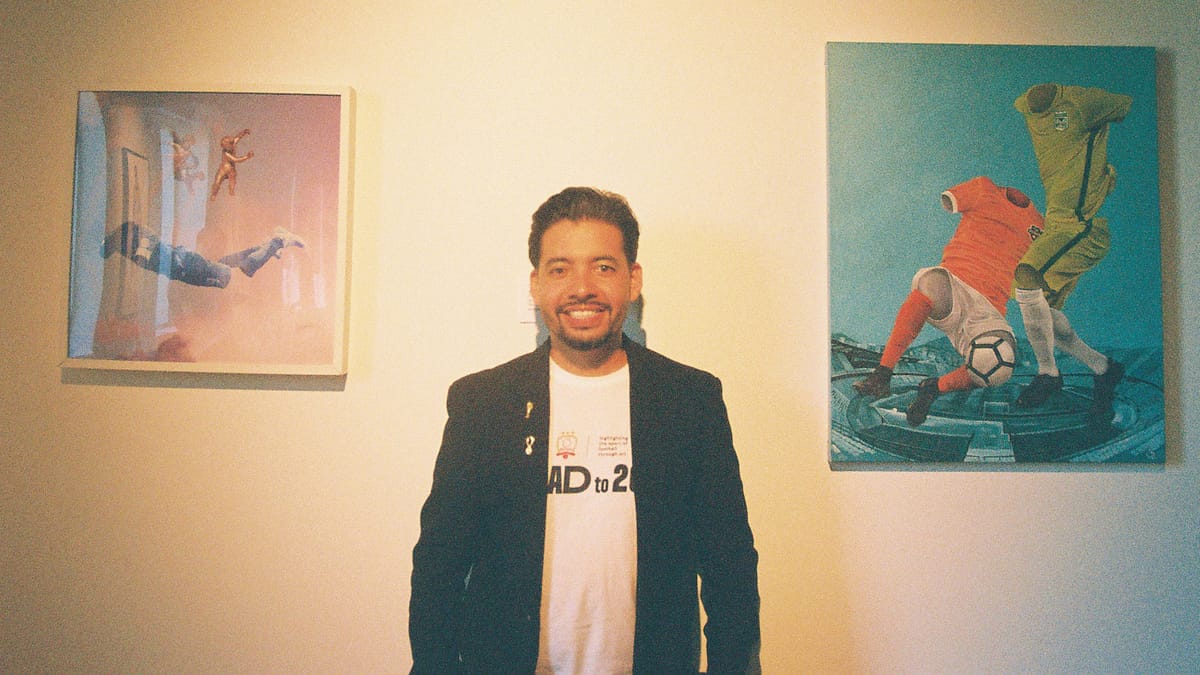
As Houston and other host cities prepare to welcome the world for the FIFA World Cup, it has become a moment of opportunity for artists at the intersection of art, sport, and culture. For artist and curator Betirri, it is a moment he has spent years waiting for. The Mexican born, Houston raised artist is known for his signature paintings and events that reflect his own roots and the global spirit of the game.
Forty-One sits down with Betirri, coming off of a successful exhibition, to talk about the influences behind his artistry, and how he's helping Houston get ready for the beautiful game.
Can you share your experiences growing up in Mexico and the cultural
differences from moving to Houston?
B: Growing up in Puebla, Mexico, soccer was everything — not just a sport, but a rhythm of life. It was how we connected, celebrated, and even dreamed. When I moved to Houston as a teenager, I experienced a completely different pace and diversity of culture. It took time to adjust, but that shift opened my eyes to a new sense of identity. In Houston, I found the freedom to blend both worlds — the emotional, passionate side of Latin America with the creative, multicultural energy that defines this city.
How did those experiences get you connected with art and soccer? How did
they inspire you to combine them together?
As a kid, I always wanted to be a professional soccer player, but asthma made that
impossible. Art became my way to stay close to the game. I started sketching moments I couldn’t play — the movement, the tension, the celebrations. Over time, that connection became something deeper. Painting became my way of translating the spirit of football into something visual and universal. I realized that both art and soccer share the same language — emotion, rhythm, and unity.
Do you remember the first piece of artwork that you made?
The first piece I can remember was a drawing of a soccer player in motion.
Even then I was fascinated by movement, how it could say so much
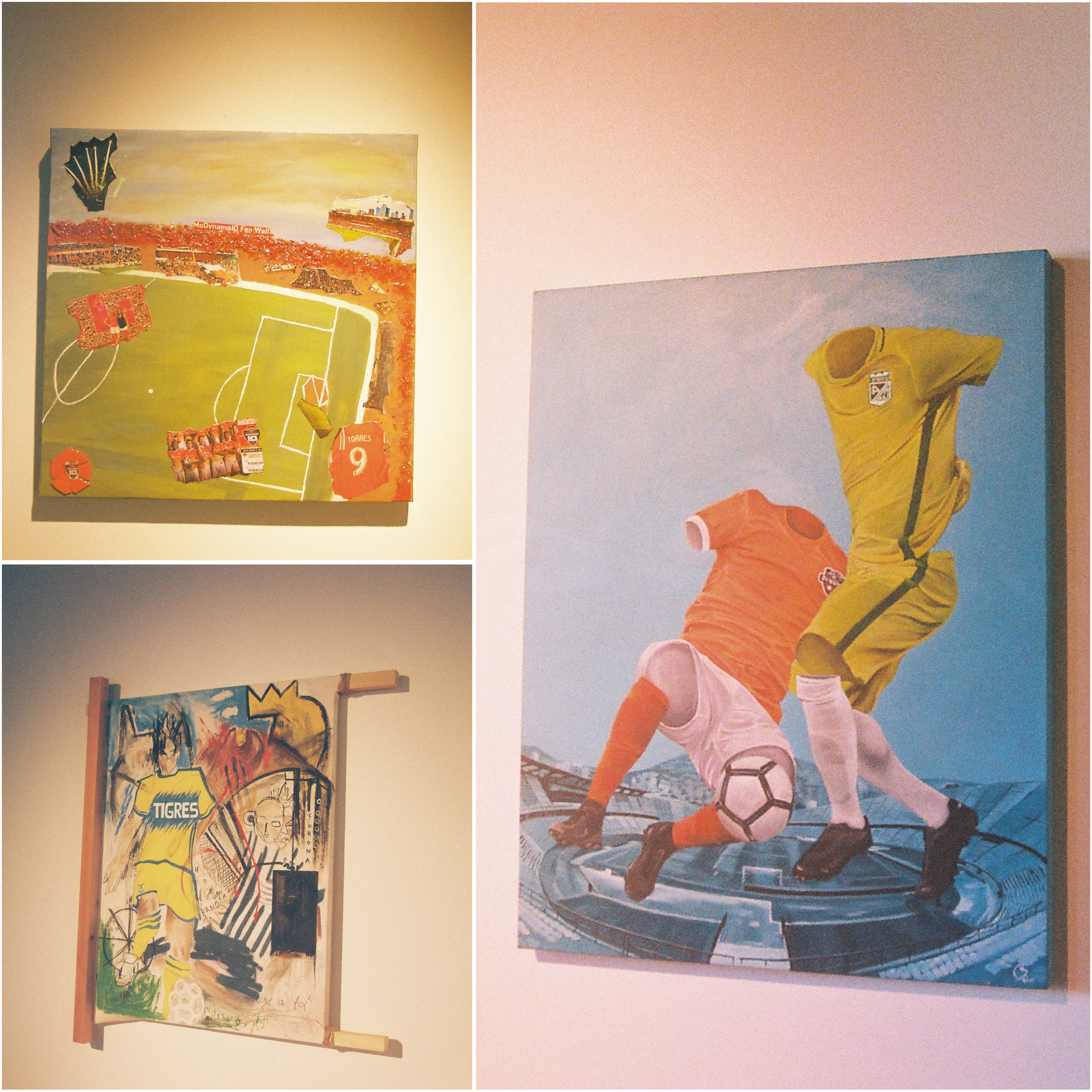
without needing words. That idea of capturing energy without anatomy eventually
evolved into my signature bodiless style, where the viewer fills in the figure with their own imagination and emotion.
You had the opportunity to showcase your work in three different World Cups - Brazil, Russia, Qatar. How did those experiences shape your growth as an artist?
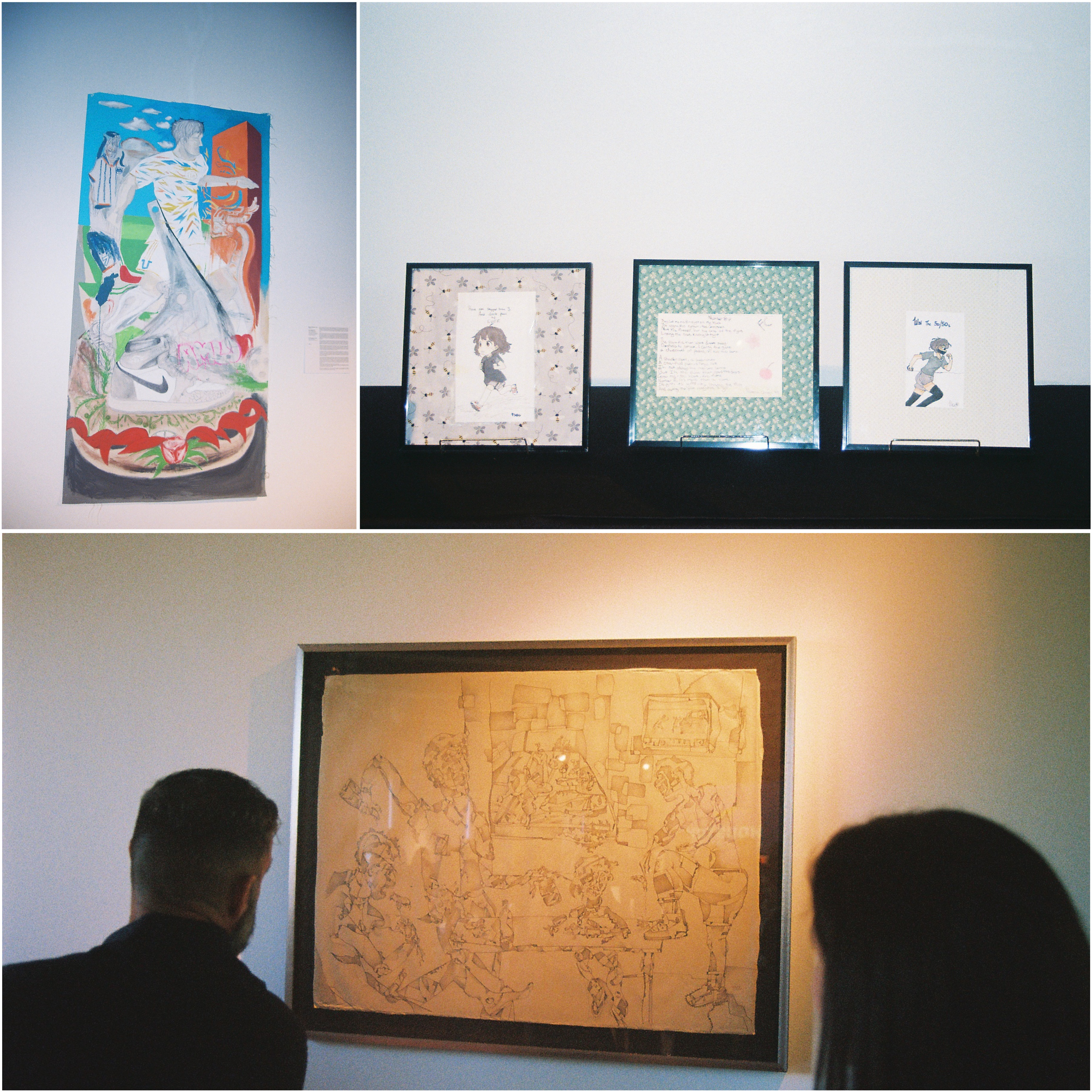
Each World Cup has been a different chapter in my life. Exhibiting my work in
connection with those global moments taught me the power of art to unite people
beyond borders. It pushed me to think globally, but also to stay rooted in my story. Every time I saw people from different cultures respond emotionally to my work — without needing translation — it reminded me why I do what I do: to celebrate the universality of the game and the human spirit behind it.
Now as the World Cup is coming into Houston, how have you prepared for the
upcoming year?
This is a once-in-a-lifetime moment, and I want to make sure Houston shines. I’ve been preparing through several projects — from public art and exhibitions to the creation of a World Cup-inspired pop-up experience in East Downtown. My goal is to create spaces where art, culture, and football intersect — a place where locals and visitors can feel that same global energy I’ve experienced abroad.
You recently put together a group exhibition of artists in the area, titled The
Beautiful Game. What were your favorite memories from that moment?
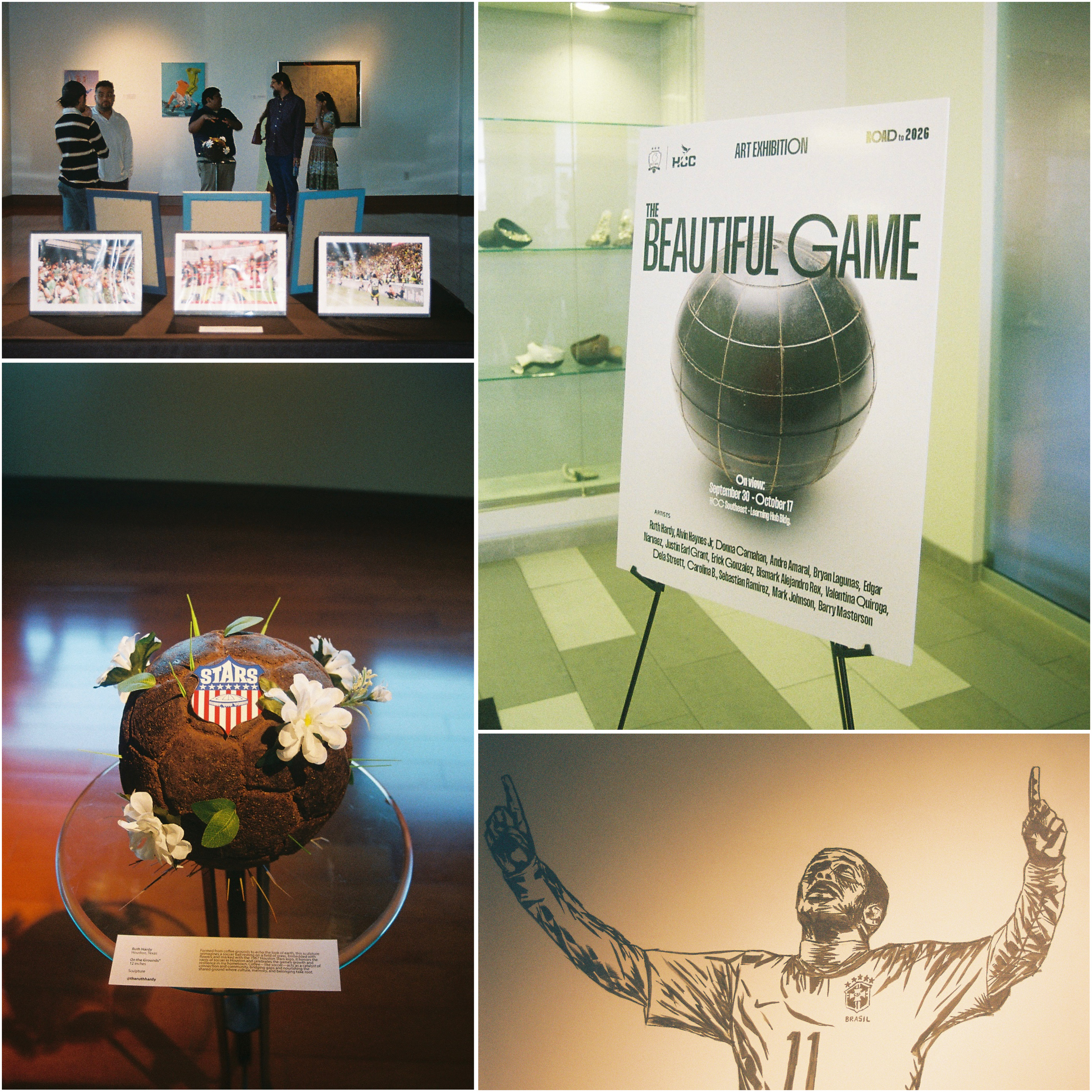
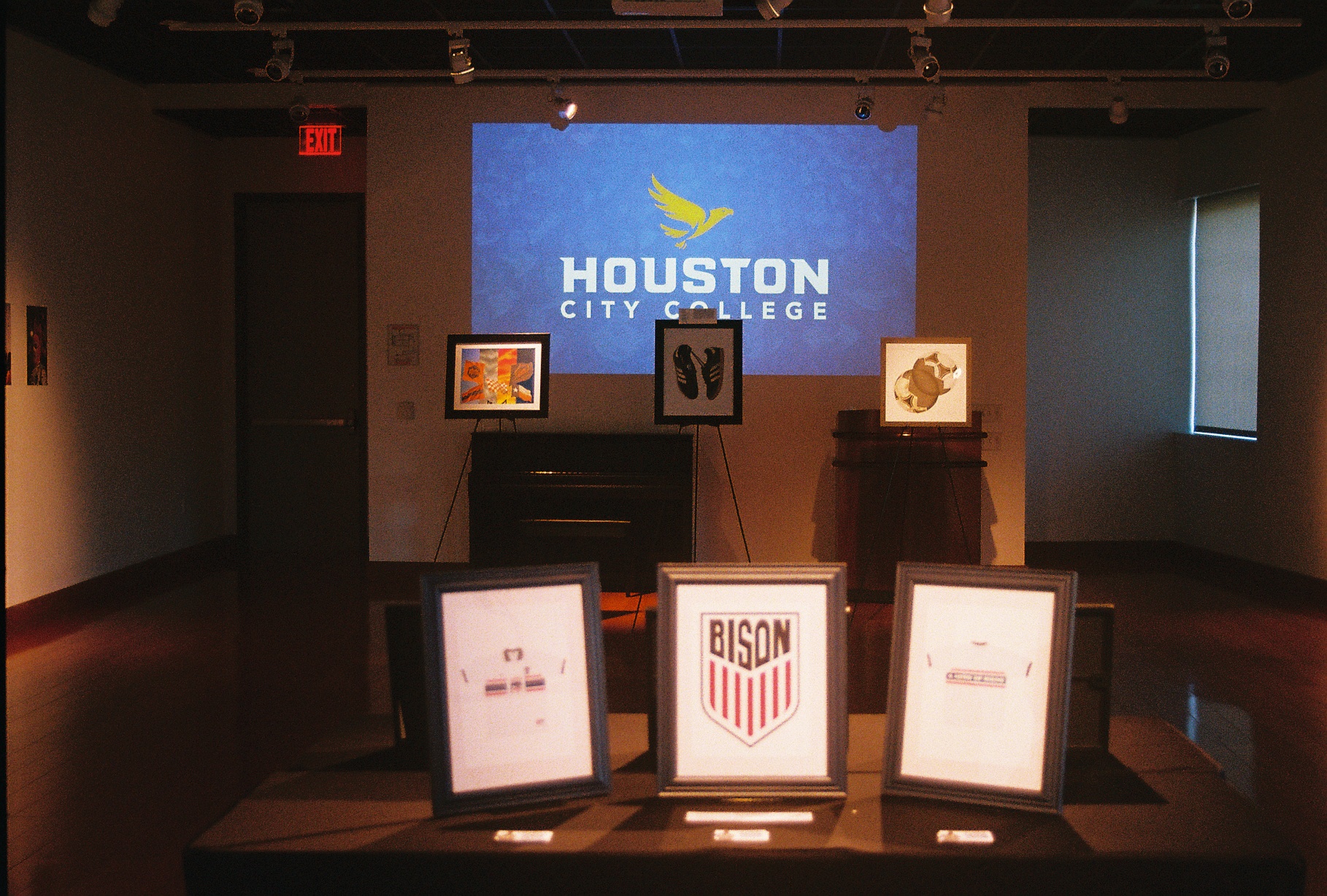
My favorite part was seeing the diversity of voices and styles come together under one shared theme. The exhibition showed how deeply football resonates with Houston’s creative community — from painters and sculptors to photographers and designers. It was emotional to see people connect through their love for the game, regardless of where they came from. For me, The Beautiful Game was proof that football truly is a form of art.
The first game in Houston is on June 14. What do you think the city can do to
bring local and visiting communities together for the World Cup?
Houston has a unique opportunity to become the cultural capital of the World Cup. The city can embrace that by celebrating its neighborhoods — highlighting local artists, musicians, chefs, and community spaces. Art activations, public installations, and cultural events can help visitors experience Houston’s diversity beyond the stadium. The World Cup is more than matches — it’s a celebration of who we are as a global community.
Any tips for other artists wanting to use the beautiful game to help expand their artistry?
Start with what you love about the game and translate that through your medium. Don’t just paint players or scenes, paint what the sport makes you feel. Football has rhythm, balance, and tension — the same elements that exist in great art. When you approach it that way, your work becomes part of something universal.