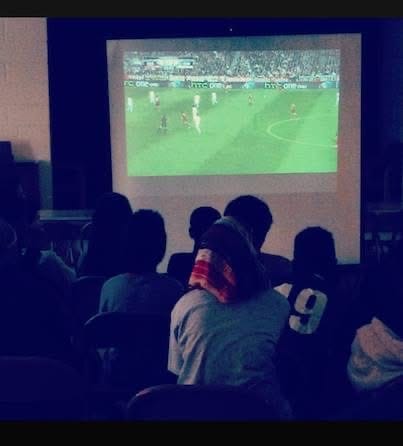
I grew up in Clarkston, Georgia, a suburb on the East side of metro Atlanta where soccer was always around me.
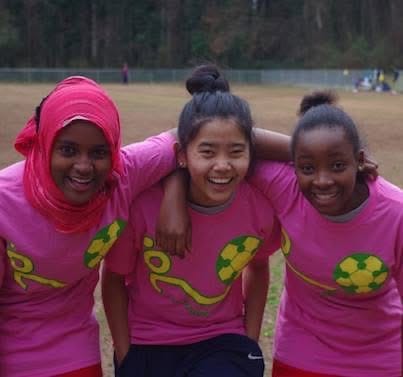
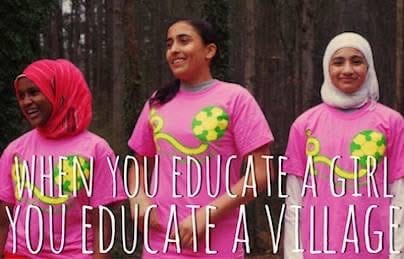
Clarkston is home to people from all over the world, and growing up there meant being surrounded by different cultures, languages and backgrounds. I even played with Fugees (short for “Refugees”, a youth soccer team and nonprofit organization founded in 2004 by Coach Luma Mufleh in Clarkston for youth from Afghanistan, Bosnia, Burundi, Congo, Gambia, Iraq, Kosovo, Liberia, Somalia, and Sudan and more) when I was younger, so my connection to the game started long before I ever began creating soccer content or covering the sport. In Clarkston, soccer was one of those things that could bring people together without everyone needing to come from the same place or share the same story.
Long before Atlanta was being talked about nationally as a soccer city, I had already seen what the game could look like here.
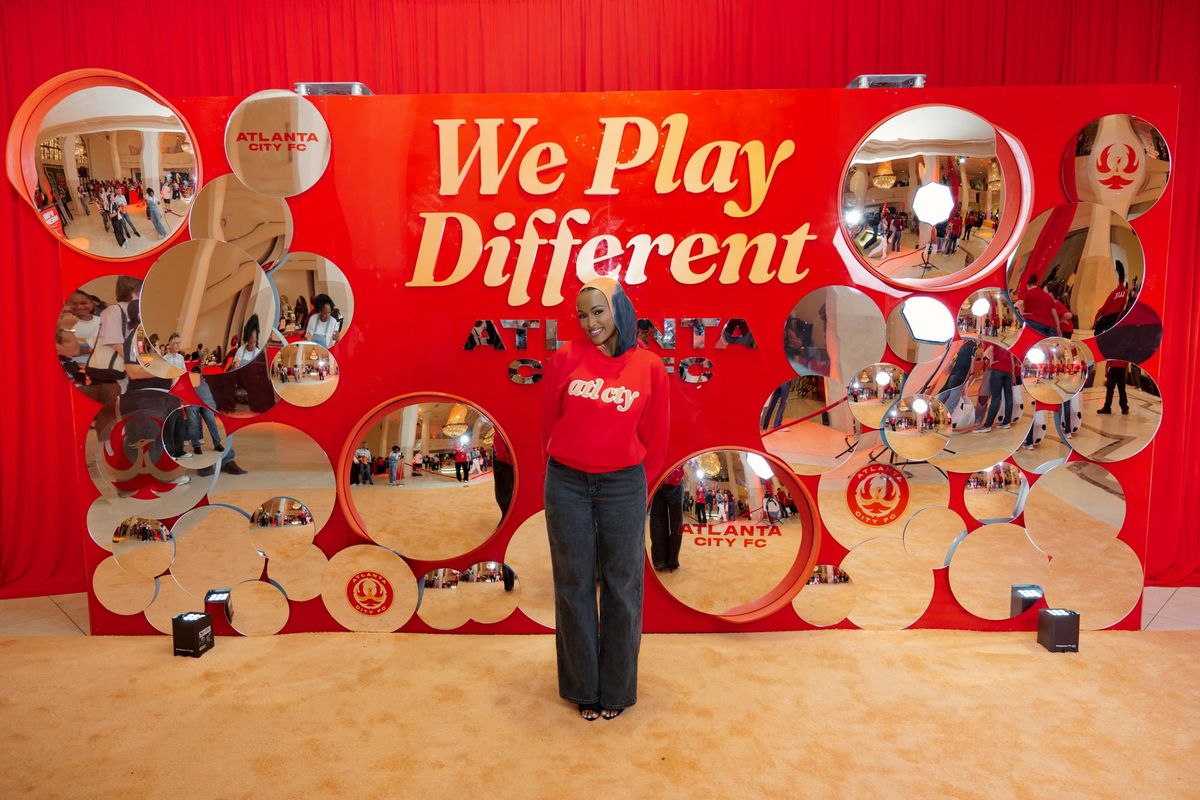
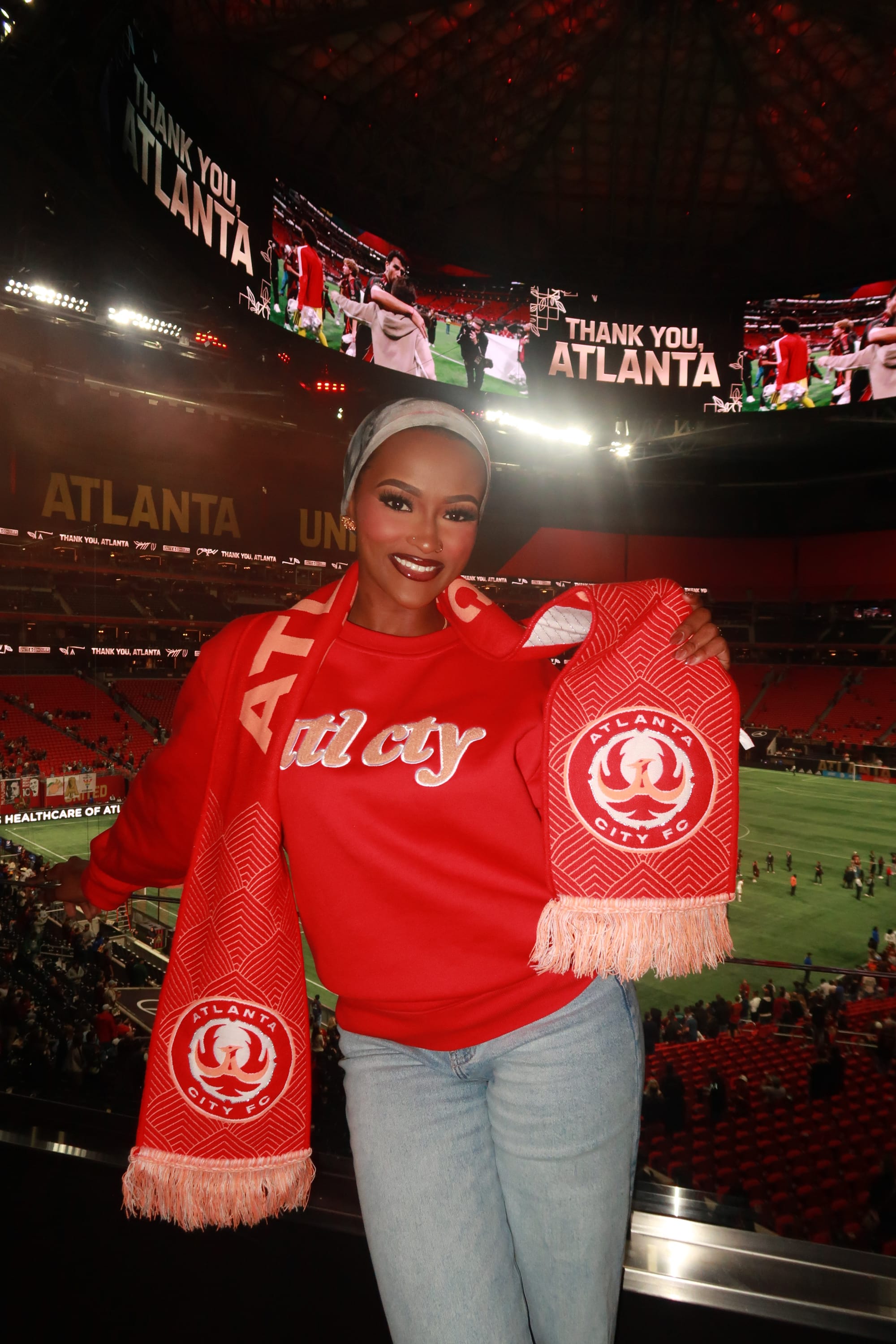
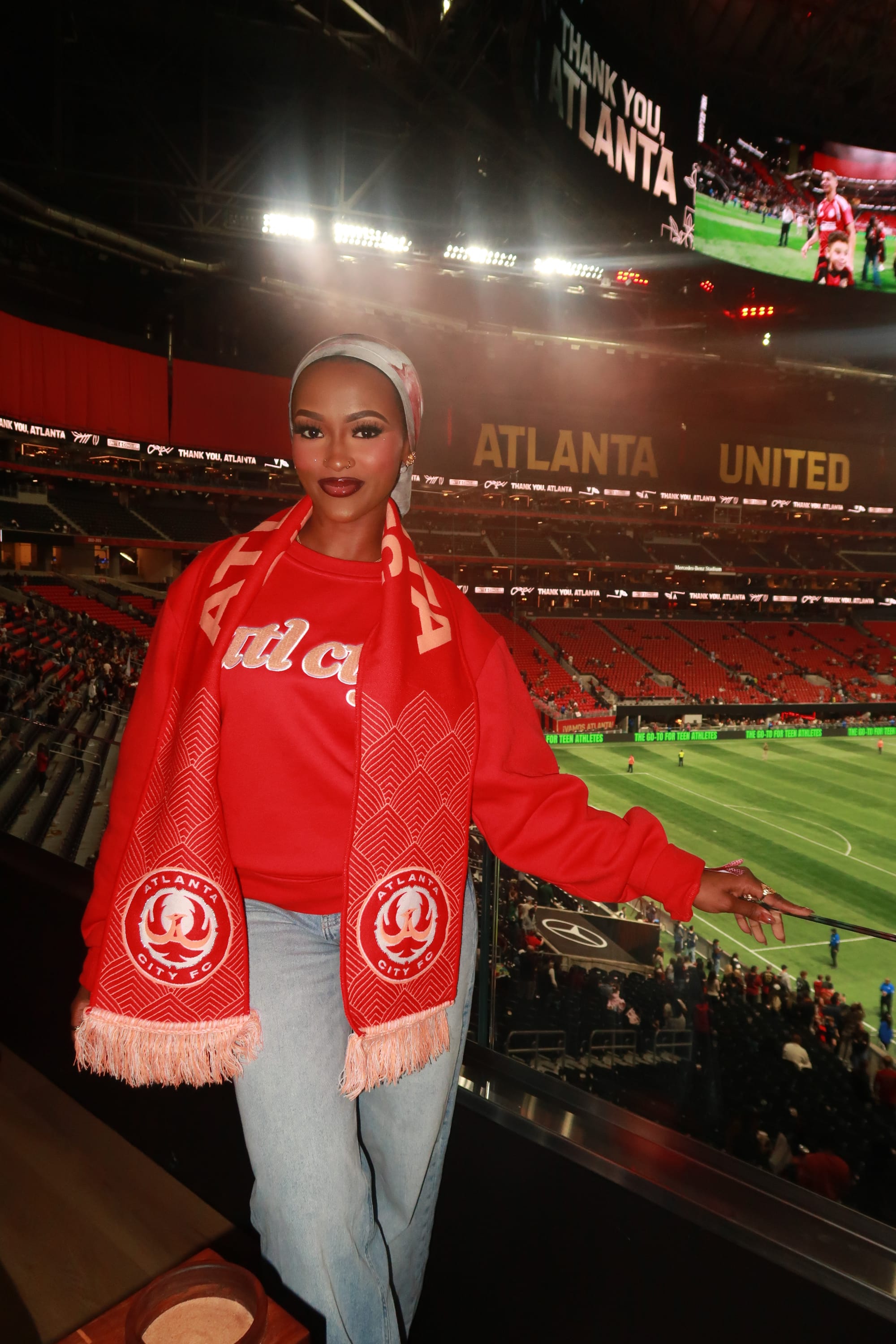
That is what was on my mind a few weeks ago when Forty-One Magazine was invited to an exclusive preview of Atlanta City FC, the NWSL team that will begin play in 2028.
Of course, there was excitement around finally seeing the name, the merchandise and the identity that people had been waiting for. But sitting in that room, I kept thinking about something bigger: Atlanta is finally getting a women’s professional soccer team of its own.
And as someone who grew up around the game here, that means something.
Soccer culture in Atlanta isn’t limited to what happens inside a stadium. It exists in communities like Clarkston. It’s in the people who grew up playing the game, the families watching it, the jerseys people wear, the fashion surrounding it and the creators documenting it.
For me, Atlanta City FC has an opportunity to bring all of those pieces together — and to do it through a women’s team.
What does “Atlanta first” really mean?
One thing I heard repeatedly during the preview was the importance of Atlanta itself.
Larry Luk, Vice President of Creative at AMB Sports & Entertainment, described the approach simply: “Ultimately, we’re Atlanta first. We have a collective pride for Atlanta.”
That stayed with me.
Being “Atlanta first” comes with a responsibility because there isn’t just one version of Atlanta.
There’s the Atlanta people see on television, but there are also communities across the metro area that have their own relationship with the game. Growing up in Clarkston showed me that. Soccer has long been part of the everyday culture in communities that may not always be centered when the story of Atlanta as a soccer city is being told.
So when Atlanta City FC says it wants to represent Atlanta, I’m interested in seeing the depth and breadth of that definition for what Atlanta becomes.
Tucker Brooks, Associate Creative Director for AMB Sports + Entertainment, said one of the team’s core values is to “listen and respond.”
“We’re going to really lean into Atlantans, the city… [and ask] our fans of how do you want to see this brand show up across the city,” Brooks said.
That feels important for a club that has nearly two years before it plays its first match. Atlanta, despite mainstream belief, is a true sports city with its own unique multicultural flavor. A women’s team that is competitive, rooted in Atlanta culture, and gives fans something tangible to rally around could change the scheme of what not only women’s soccer can look like in the city, but across the league.
Atlanta City FC has time to build relationships and culture before it has a starting eleven. It has time to learn who its supporters are, where they come from and what they want this club to become.
The crest and colors are part of establishing that identity, but they are only the beginning. The phoenix at the center of the crest and the “A” on its chest give the club symbols to rally around. What those symbols eventually mean will depend on the people who embrace them.
A different entry point into soccer
Over the past few weeks, conversations beyond the game itself have been particularly interesting. Fashion is a big part of that.
Kiana Miree, Vice President of Retail and Merchandising for AMB Sports & Entertainment, said the club is paying attention to what Atlanta fans are already wearing as it thinks about merchandise.
“We’ve got to pay attention to what Atlanta fans are actually wearing,” Miree said.
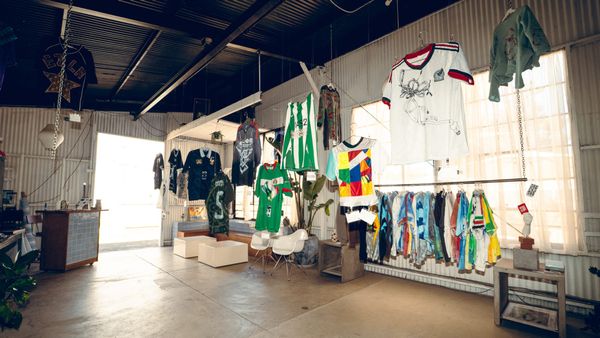
She talked about eventually moving toward “fan apparel that looks like streetwear,” while also leaving room for potential collaborations with Atlanta designers, fashion brands and even creators.
That may sound separate from building a soccer club, but I don’t think it is.
For some people, fashion could be their first touch point with soccer. That is especially relevant now, when soccer culture extends so far beyond the field. A person doesn’t necessarily have to know every player or understand every rule before feeling connected to a club.
Maybe they love the clothes. Maybe they follow a creator who introduces them to the team. Maybe they attend an event with a friend. Eventually, they might find themselves at a match.
There are different ways into the game.
Building the culture before 2028
That is also why Atlanta City FC involving local creators this early caught my attention.
Kacey Covino, Director of Business Operations for Atlanta United, spoke about the club’s Call-Up Program, which has already brought local creators into the process through early information, merchandise, storylines and access.
“We just think they’re going to be such a big part of it,” Covino said.
As someone who has been included in that process, I understand why.
The people who can help Atlanta City FC connect with this city aren’t necessarily only going to be the people working inside the organization. They’re also going to be the people already telling Atlanta’s stories and participating in its different communities.
And there is something meaningful about getting to watch that happen before there is even a team on the field.
Growing up in Clarkston gave me one understanding of what soccer in Atlanta could look like. Over the years, I’ve watched the sport continue to grow throughout the city and become a bigger part of Atlanta’s identity.
Now women’s professional soccer gets to become part of that story too.
For Atlanta City FC, 2028 might be the year the matches begin but the culture of this club is already being built. The current teams competing for the 2026 NWSL title, The Washington Spirit and Kansas City Current, as well as other league teams such as Gotham FC, Portland Thorns FC, Utah Royals, etc have built strong brand identities, communities, and cultures around their clubs.
Kansas City Current launched in 2020, a mere 6 years ago and are already competing for their second chance at an NWSL title, as well have collected a couple other pieces of silverware over the years. With Atlanta City’s first kickoff only two years away, I can’t help but dream for the same and more for my hometown club. Atlanta United, City’s fraternal MLS club, miraculously won the MLS Cup in 2018 in just its second competitive season.
ATLiens have seen what’s possible. From Clarkston to Atlanta, one of the mantras of ATL CTY is “This City Plays Different.” I can’t wait to see how it continues to unfold on and off the pitch.